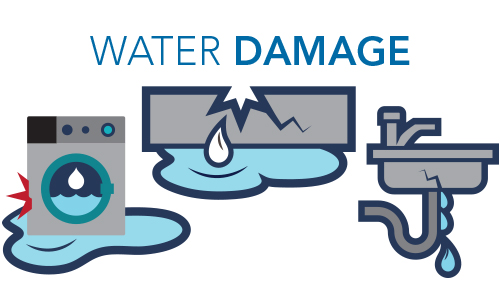
When basement flooding happens, it can disrupt your life and lead to expensive repair services. You need to act rapidly to decrease damage and ensure your space is secure again. Initially, you'll intend to identify the source of the water and start the cleaning procedure. However comprehending the causes and implementing reliable restoration methods is crucial for long-term prevention. What steps should you take next to safeguard your home from future issues?
Root Causes Of Basement Flooding and Exactly How to Address Them?
Basement flooding can stem from a number of typical causes, and resolving them promptly is critical to avoid considerable water damage.
Initially, heavy rainfall or rapid snowmelt can overwhelm your drain systems. Make certain gutters and downspouts are clear and straight water far from your foundation.
Second, poor grading around your home can result in water merging near your cellar. You might require to regrade your yard to guarantee appropriate water drainage.
Third, pipes leaks from damaged pipes or devices can add to excess wetness. On a regular basis examine your pipes for any type of indicators of wear or leakages.
Lastly, groundwater seepage via splits in your foundation can be a problem. Seal these cracks with proper products to safeguard your cellar from future flooding.
Step-by-Step Water Damage Control and Cleaning Process
When taking care of water damages, an organized strategy can make all the difference. Begin by analyzing the impacted locations. Identify the source of the water and quit it when possible.
Next off, record the damages with pictures for insurance coverage purposes. Remove any kind of standing water making use of pumps or damp vacs, and make certain appropriate ventilation to dry out the area.
Look for hidden dampness in walls and floorings, and remove any soaked products like carpets or drywall.
Disinfect the location to avoid mold development; make use of a combination of water and bleach for therapy.
Ultimately, check the room to guarantee it's drying effectively. By following hazardous material handling , you can efficiently manage the water damages and plan for the next phases of restoration.
Next Steps After Water Damages: Key restoration Methods
After you've evaluated and tidied up the initial water damage, it's time to concentrate on repair strategies that can bring your cellar back to its initial state.
First, make sure proper air flow to help dry out the location; open home windows and make use of followers to flow air.
Next, consider using a dehumidifier to minimize dampness levels, protecting against mold and mildew development.
Inspect and replace any type of broken insulation or drywall, as these products can trap water.
Clean and sterilize all surfaces with a blend of water and bleach to eliminate microorganisms.
Ultimately, check linked internet page ; if it's hardwood, permit it to completely dry gradually to avoid bending.
For carpets, consider professional cleaning or replacement if they're as well damaged.
Taking these actions will help recover your basement efficiently.
Conclusion
Finally, taking care of basement flooding can be overwhelming, yet by adhering to these actions, you can efficiently take care of the situation. Determine the resource, remove standing water, and record the damages. Remember to sanitize the location and display for hidden dampness. As soon as you've restored your room, take preventive measures to avoid future issues. Remain attentive with normal examinations and watch on weather patterns to safeguard your basement from possible flooding down the line.